
 fastfixoffice@yahoo.com
 Book Appointment
 A garage door rarely fails at a convenient time. One day it opens fine; the next it jerks, groans, or refuses to move at all. When that happens, the first question is not about panels or springs. It is about money. Should you fix what you have, or does replacing the whole thing make more sense?
This question about garage door repair comes up every week for homeowners and property managers alike. Some worry they will throw cash at repairs that only delay the inevitable, while others fear replacement costs that feel unnecessary. The truth sits somewhere in the middle, and it depends on details most people are never told upfront. For a professional evaluation, check out our garage door services in McKinney, TX.
This guide walks through those details in plain language. No scare tactics. No sales pitch. Just a clear way to judge which option protects your budget today and over the next few years.
Why This Decision Feels Harder Than it Should
Garage doors look simple from the outside. A few panels, a motor, maybe a keypad. Underneath, there are moving parts working under heavy tension. When one piece fails, it can trigger others. That chain reaction makes the choice between repair and replacement feel fuzzy.
Another reason is timing. Garage door issues often feel urgent. Cars get trapped. Businesses cannot open on time. When stress is high, it is easy to accept the first solution offered without thinking long term.
Understanding what repairs cover and what replacement actually includes gives you back control.
What Garage Door Repair Really Covers
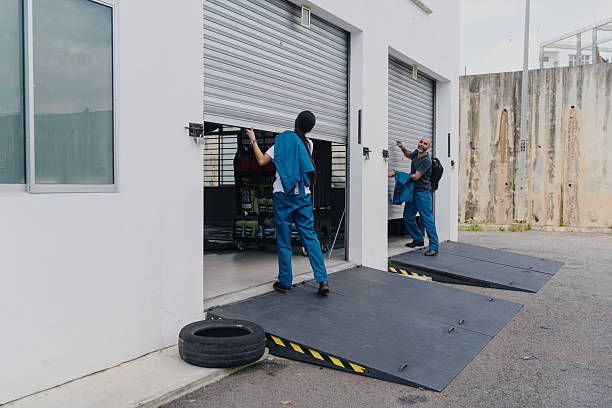
Repair means fixing or replacing one or more parts while keeping the existing door system. This can range from a quick adjustment to a more involved spring or opener fix.
Common repair jobs include:
- Spring repair when the door feels heavy or will not lift
- Cable replacement after fraying or snapping
- Roller and hinge replacement to smooth noisy movement
- Track alignment after a door comes off balance
- Garage door Opener repairs related to sensors, gears, or wiring
Many of these problems develop slowly. A door may still work, but not well. Catching them early keeps costs lower.
When Garage Door Repair Usually Makes Sense
Repair is often the smarter financial choice when:
- The door is under ten years old
- Damage is limited to one or two components
- Panels are intact and not warped
- The opener is compatible with current safety standards
In these cases, a targeted fix can restore normal function without resetting the clock on your wallet.
What Garage Door Replacement Actually Means
Replacement is not always all or nothing. Some projects involve swapping only the door panels while keeping tracks and hardware. Others mean a full system change.
A full replacement usually includes:
- New door panels
- New torsion or extension springs
- New tracks and rollers
- A new opener if the old one is outdated or underpowered
- Proper setup and safety testing
This option costs more upfront, but it also resets wear and tear across the system.
Cost Basics Without Guesswork
Exact pricing varies by region, door size, and materials. Still, broad ranges help frame the decision.
Typical Repair Cost Ranges
Most residential repairs fall between a few hundred dollars and the low four figures. Garage door spring repair, one of the most common jobs, often sits in the middle of that range depending on door weight and spring type.
Smaller fixes, like sensor adjustments or roller swaps, cost less. Emergency calls or after-hours service may add to the total.
Typical Replacement Cost Ranges
A basic new garage door installation costs more than most repairs. Custom doors, insulated models, or large commercial doors increase that number.
While replacement feels expensive, it often covers many parts that would otherwise fail one by one over time.
Age of the Garage Door and Why it Matters
Garage doors do not age evenly. Springs wear out faster than panels. Openers can outlive both.
A door under ten years old with a single failed part is usually worth repairing. A door pushing twenty years with repeated issues sends a different message. Older doors lack modern safety features and insulation, and replacement parts may cost more or be harder to source.
Age alone does not force replacement, but it changes the math.
Damage Types That Lean Toward Door Repair
Some problems look scary but are straightforward fixes.
- Broken springs on an otherwise solid door
- Cables that slipped off drums
- Loud grinding caused by worn rollers
- Doors that stop halfway due to sensor issues
These repairs restore function without touching the core structure of the door.
Damage Types That lean toward replacement
Other issues suggest deeper trouble.
- Multiple bent or cracked panels
- Rust spreading across steel sections
- Wood doors with rot or swelling
- Repeated spring failures tied to door weight imbalance
When the door itself is failing, repairs turn into temporary patches.
Safety Concerns That Change Everything
Garage doors are heavy. Springs store enough force to cause serious injury when they break or are handled incorrectly. If a door slams shut, drifts down, or refuses to stay open, safety becomes part of the cost conversation.
Older systems may lack photo-eye sensors or auto-reverse features. Upgrading through replacement reduces risk, especially in homes with children or pets.
Energy Bills, Insulation, and Daily Comfort
Many older garage doors are uninsulated. They allow heat and cold to move freely, affecting nearby rooms.
Newer doors with insulation help stabilize temperatures, reduce drafts, and cut down on outside noise. Over time, that can lower heating and cooling costs. While savings vary, comfort improvements are immediate.
Curb Appeal and Resale Value Realities
A garage door often covers a large portion of the front of a home. Dents, fading, and mismatched panels show quickly.
Replacing an outdated door can refresh the look of a property. For homeowners thinking about selling, this visual change can influence first impressions. Repair keeps things working, but it rarely changes appearance.
Commercial Garage Doors vs. Residential Doors
Commercial overhead doors work harder and open more often. Wear shows up faster. For businesses, downtime equals lost revenue.
In commercial settings, replacement is often chosen earlier to avoid repeated service calls. Residential owners usually tolerate more wear before making that call.
Emergency Breakdowns and Time Pressure
An emergency garage door repair feels stressful because it interrupts daily routines. In these moments, repair is often the fastest way to restore access.
Still, once the immediate problem is solved, it is smart to step back and review the door as a whole. Emergency fixes can reveal bigger patterns.
Repair Now, Replace Later Strategy
Many homeowners choose a middle path. They repair a major failure, then plan for replacement within a year or two.
This approach spreads out costs and avoids rushed decisions. It also allows time to research door styles, insulation levels, and opener features.
How Professionals Evaluate the Right Call
A solid technician looks at more than the broken part. They check balance, track condition, spring cycle life, and opener strain.
They also ask questions about usage. How often does the door open? Is it a primary entry point? Answers matter.
If you ever feel pushed toward replacement without clear reasons, ask for an explanation in plain terms.
Common Myths That Lead to Overspending
One myth says replacement is always cheaper long-term. Not true. Another claims repairs are a waste after one failure. Also not true.
The real cost comes from repeating the same repair due to underlying door issues. Spotting those patterns early prevents wasted money.
Making the Decision With Confidence
Ask yourself a few grounded questions:
- How old is the door system as a whole?
- Is the damage isolated or spreading?
- Have repairs become frequent?
- Does the door meet current safety needs?
Clear answers point you in the right direction.
Closing thoughts
Choosing between garage door repair and replacement is not about fear or sales pressure. It is about timing, condition, and how long you plan to stay in the space.
A well-repaired door can serve you for years. A well-chosen replacement can end ongoing headaches. The key is knowing which situation you are in.
Homeowners across the area often turn to Fast Fix Garage Door when they want an honest assessment instead of a quick upsell. That kind of clarity is what saves money in the long run.