
 fastfixoffice@yahoo.com
 Book Appointment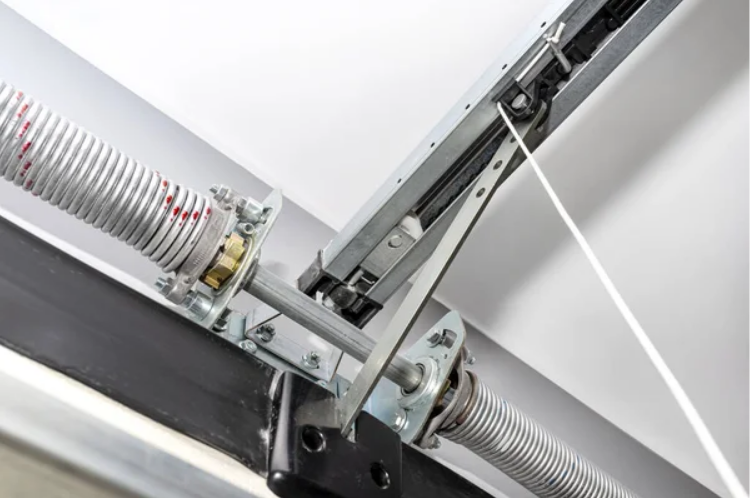
We all rely on our garage doors to work smoothly every day. At Fast Fix Garage Door, a trusted garage door repair company, we understand how important it is to have a well-functioning garage door. The secret behind this smooth operation? Garage door springs. These hidden heroes keep your door balanced and easy to open, making your life a little easier.
Our team at Fast Fix Garage Door, your local garage door repair company, is here to help you understand and maintain these crucial components. We promise to provide clear, simple explanations about the different types of springs, how they work, and how to keep them in top shape. With our expertise, you’ll feel confident about your garage door’s performance and safety.
In this guide, we’ll explore the world of garage door springs together. We’ll look at the main types of springs, explain how they function, share some maintenance tips, and discuss important safety considerations. By the end, you’ll have a solid understanding of these essential parts and know when to call us, your reliable garage door repair company, for professional help.
Understanding the Importance of Garage Door Springs
Before we delve into the different garage door spring types, let’s appreciate their significance. Garage door springs counterbalance your door’s weight, enabling manual or electric opening. Without them, lifting your garage door would be extremely difficult.
The Physics Behind Garage Door Springs
Garage door springs use torsion or extension principles, storing potential energy when closed and releasing it to assist lifting. This mechanical marvel allows easy opening of even heavy doors.
Types of Garage Door Springs: An Overview
Now, let’s explore how to choose garage door springs. There are two main categories:
- Torsion Springs
- Extension Springs
Each category has its own subtypes and variations. Let’s examine these types of garage door springs in detail.
Torsion Springs: The Powerhouse of Modern Garage Doors
Torsion springs are popular among homeowners and professionals. These powerful components ensure smooth operation, especially for heavier doors.
How Torsion Springs Work
Torsion springs mount horizontally above the door opening, attached to a parallel metal shaft. They store energy when wound tight as the door closes, and release it to help lift the door when opening.
Types of Torsion Springs
When learning how to choose garage door springs, consider these torsion spring varieties:
- Standard Torsion Springs
- Most common in residential garages
- Last 10,000 to 15,000 cycles
- Ideal for doors up to 300 pounds
- Oil-Tempered Torsion Springs
- More durable due to additional heating process
- Last 20,000 to 30,000 cycles
- Best for frequent use or extreme temperatures
- Galvanized Torsion Springs
- Rust and corrosion resistant
- Ideal for coastal or humid areas
- Last 15,000 to 20,000 cycles in humid conditions
- Steel Torsion Springs
- Toughest available, for commercial and industrial use
- Handle doors up to 1000 pounds or more
- Can exceed 100,000 cycles with proper maintenance
Understanding these garage door spring types is crucial for maintaining your garage door’s performance and safety.
Advantages of Torsion Springs
- Extended Lifespan: Torsion springs generally last longer than extension springs, providing better value for money over time.
- Smooth Operation: The twisting action of torsion springs results in a smoother, more controlled door movement. This reduces wear and tear on other door components.
- Quieter Performance: The controlled motion of torsion springs leads to less noise during operation, a benefit appreciated by many homeowners.
- Superior Balance: Torsion springs provide better balance to the door, making it easier to open manually if needed.
- Enhanced Safety: If a torsion spring breaks, it remains on the metal shaft, reducing the risk of injury or property damage compared to extension springs.
- Space-Efficient: Torsion springs are mounted above the door, saving space on the sides of the garage.
- Versatility: They can be adjusted to perfectly balance doors of various weights and sizes.
Considerations When Choosing Torsion Springs
- Door Weight: Heavier doors require stronger springs or multiple spring setups.
- Available Headroom: You need at least 12 inches of headroom above the door for most torsion spring systems.
- Climate: Consider galvanized springs for humid or coastal areas.
- Usage Frequency: For high-traffic garages, oil-tempered springs might be the best choice.
Remember, while torsion springs offer many advantages, they should always be installed and maintained by professionals due to the high tension they’re under. At Fast Fix Garage Door, we have the expertise to safely handle all types of torsion springs, ensuring your garage door operates smoothly and safely for years to come.
Extension Springs: The Traditional Choice
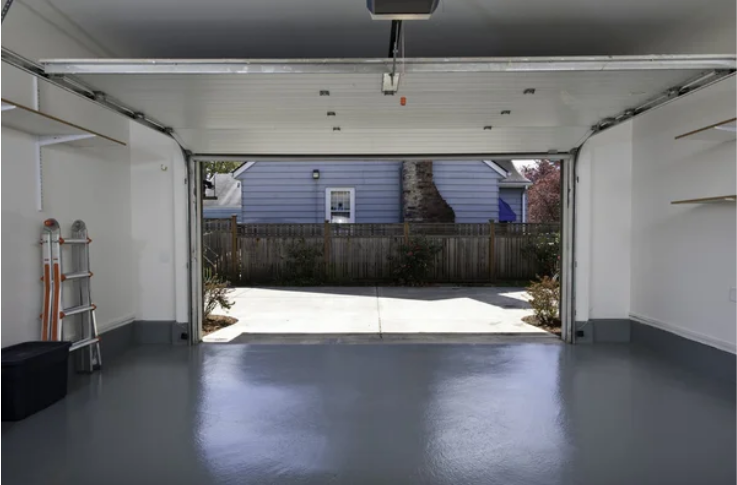
Extension springs have been a staple in garage door systems for many years. While torsion springs have gained popularity, extension springs remain a common choice, particularly in older homes and for lighter garage doors. Their simple design and ease of installation make them a go-to option for many homeowners and installers.
How Extension Springs Work
Unlike the types of garage door torsion springs that twist, extension springs operate by stretching and contracting. They’re typically installed in pairs, one on each side of the garage door. When the door is closed, the springs stretch to their full length, storing potential energy. As the door opens, the springs contract, using their stored energy to assist in lifting the door. This stretching and contracting action is what gives extension springs their name and distinguishes them from other different types of garage door springs.
Types of Extension Springs
When considering garage door repair or installation, it’s important to understand the various types of extension springs available:
- Open-Looped Extension Springs
- These are the most basic and traditional type of extension springs.
- They have an open loop at each end, which attaches to the track hanger and the pulley.
- While they’re cost-effective, they pose a safety risk if they break, as the spring can become a dangerous projectile.
- Best suited for very light doors in low-traffic areas.
- Double-Looped Extension Springs
- These springs have two coils that work together, providing more strength and durability.
- The double-loop design offers more security than open-looped springs.
- If one coil breaks, the other can often still function, reducing the risk of sudden door failure.
- They’re a good middle-ground option, offering improved safety without a significant price increase.
- Clip-End Extension Springs
- Instead of loops, these springs have specially designed clips at the ends.
- The clips make installation and replacement much easier and quicker.
- They offer a good balance between safety, convenience, and cost.
- Popular for DIY installations, though professional installation is always recommended.
- Safety Extension Springs
- These are the safest type of extension springs available.
- They come equipped with a safety cable that runs through the center of the spring.
- If the spring breaks, the cable prevents it from becoming a dangerous projectile.
- While they’re more expensive, the added safety makes them worth considering, especially for families with children.
Advantages of Extension Springs
- Cost-Effective: Generally less expensive than torsion springs, making them a budget-friendly option.
- Easy Installation: Their simple design makes them easier to install and replace, often requiring less specialized knowledge.
- Suitable for Light Doors: Work exceptionally well with lighter garage doors, providing smooth operation.
- Low Headroom Solution: Can be installed in garages with limited overhead space, where torsion springs might not fit.
- Individual Replacement: If one spring breaks, you can often replace just that one instead of the entire system.
- Visible Wear: It’s easier to visually inspect extension springs for wear and tear compared to torsion springs.
Considerations When Choosing Extension Springs
- Door Weight: Extension springs are best suited for lighter doors, typically up to 200 pounds.
- Available Side Room: You need adequate space on either side of the door for extension springs.
- Safety Concerns: Always opt for safety cables with extension springs to prevent injury in case of breakage.
- Longevity: They typically have a shorter lifespan than torsion springs, lasting about 5,000 to 10,000 cycles.
- Maintenance: Regular lubrication and inspection are crucial to prevent premature wear.
Installation and Maintenance Tips
- Always install safety cables with extension springs, even if retrofitting an older system.
- Ensure both springs are of equal strength and length for balanced door operation.
- Regularly check for signs of wear, such as stretching or gaps in the coils.
- Lubricate the springs periodically to reduce friction and extend their lifespan.
- If you notice any unusual noises or uneven door movement, have the springs inspected promptly.
At Fast Fix Garage Door, we understand the pros and cons of each type of extension spring. While they can be a great choice for many situations, safety is paramount. We always recommend professional installation and regular maintenance to ensure your garage door operates safely and efficiently. Our team is equipped to handle all types of extension springs, from installation to replacement, ensuring your garage door system is in top condition.
Choosing the Right Spring for Your Garage Door

Selecting the appropriate spring for your garage door is crucial for its proper functioning and longevity. This decision impacts not only your door’s performance but also the frequency of garage door openers repair. Several factors come into play when making this choice, especially when considering the various types of garage door torsion springs.
- Door weight and size
- Available headroom
- Frequency of use
- Climate conditions
- Budget considerations
Factors Influencing Spring Selection
Selecting the appropriate spring for your garage door is crucial. It affects performance, safety, and longevity. Let’s look at the key factors to consider:
Door Weight and Size
This is the most important factor. Heavier doors usually need torsion springs, while lighter ones can use extension springs.
- Doors over 200 pounds: Typically require torsion springs
- Lighter doors: Can often use extension springs
- Always check manufacturer specifications for weight information
Available Headroom
Headroom is the space between the top of the garage door and the ceiling.
- Torsion springs: Usually need at least 12 inches of headroom
- Limited headroom: Extension springs might be better
- Very low headroom: Special low-headroom torsion systems are available
Frequency of Use
Consider how often you’ll open and close your garage door daily.
- High-traffic garages: Benefit from more durable springs (e.g., oil-tempered torsion springs)
- Less frequent use: Standard torsion or extension springs may suffice
Climate Conditions
Your local climate can impact spring performance and lifespan.
- Humid or coastal areas: Consider galvanized or rust-resistant springs
- Extreme temperature changes: Oil-tempered springs offer better resilience
- Dry climates: Standard springs may work, but regular lubrication is crucial
Budget Considerations
While it’s tempting to choose the cheapest option, remember that springs are crucial for safety.
- Extension springs: Less expensive upfront, may need more frequent replacement
- Torsion springs: Pricier, but often more cost-effective long-term due to longer lifespan
Remember, spring installation is best left to professionals due to safety concerns. At Fast Fix Garage Door, we’re always ready to assess your needs and provide expert recommendations tailored to your specific situation.
The Lifespan of Garage Door Springs
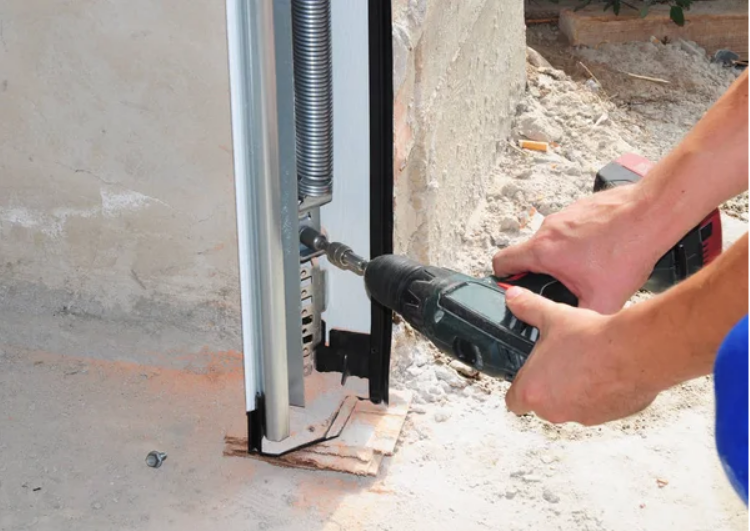
Understanding the lifespan of your garage door springs is crucial for maintaining a safe and functional garage. The life expectancy of a spring is typically measured in cycles, with one cycle representing a complete opening and closing of the door.
Factors Affecting Spring Longevity
Several factors can influence how long your garage door springs last:
- Quality of Materials: Higher-quality springs generally last longer.
- Frequency of Use: The more often you use your garage door, the faster the springs will wear out.
- Environmental Conditions: Extreme temperatures and humidity can affect spring performance and lifespan.
- Maintenance: Regular lubrication and inspection can extend spring life.
- Door Weight: Heavier doors put more stress on springs, potentially shortening their lifespan.
Average Lifespan of Different Spring Types
- Standard Torsion Springs: 10,000 to 15,000 cycles (4-7 years)
- Oil-Tempered Torsion Springs: 20,000 to 30,000 cycles (7-12 years)
- Extension Springs: 5,000 to 10,000 cycles (3-5 years)
Remember, these are general estimates. Your springs’ actual lifespan may vary based on the factors mentioned above.
Maintenance Tips for Garage Door Springs
Proper maintenance can significantly extend the life of your garage door springs and ensure smooth operation. Here are some tips to keep your springs in top condition:
- Regular Inspection: Check your springs monthly for signs of wear, rust, or damage.
- Lubrication: Apply a silicone-based lubricant to the springs every 3-6 months.
- Balance Check: Test the door’s balance periodically by disconnecting the opener and manually lifting the door halfway. It should stay in place.
- Cleaning: Keep the springs clean and free from debris.
- Professional Service: Have a professional inspect and service your garage door system annually.
Safety Considerations When Dealing with Garage Door Springs
Garage door springs are under high tension and can be dangerous if mishandled. Safety should always be your top priority when dealing with these components.
Potential Dangers of Garage Door Springs
- Spring Breakage: A broken spring can release stored energy violently, potentially causing injury.
- Pinch Points: Moving parts of the door system can create pinch points.
- Falling Doors: If springs fail suddenly, the door could fall, causing injury or damage.
Safety Precautions
To minimize risks when working with garage door springs:
- Wear Protective Gear: Always use safety glasses and gloves.
- Use Proper Tools: Ensure you have the right tools for the job.
- Keep Children Away: Never allow children to play near garage door springs.
- Understand Your Limits: If you’re unsure about a repair, call a professional.
- Regular Maintenance: Keep your door system well-maintained to prevent unexpected failures.
Conclusion
We’ve explored the world of garage door springs, from their types to maintenance needs. These small components play a big role in your garage door’s safety and functionality. While some upkeep can be done yourself, remember that professional help is crucial for major tasks like spring replacement.
Are you confident in the condition of your garage door springs? When was the last time you had them professionally inspected? Don’t wait for a breakdown to occur – proactive care can save you time, money, and potential safety hazards.
At Fast Fix Garage Door, we’re here to ensure your garage door system operates smoothly and safely. Why not schedule a professional inspection today? Our experienced technicians can assess your springs, perform necessary maintenance, and provide expert advice tailored to your needs.
Contact us now to book your appointment:
- Phone: (214) 466-9709 or (469) 288-8019
- Email: fastfixoffice@yahoo.com
Don’t let spring issues catch you off guard. Reach out to Fast Fix Garage Door – your partners in garage door safety and reliability.