
 fastfixoffice@yahoo.com
 Book Appointment
 Winter can be tough on your home, and your garage door is no exception. As temperatures drop, you may notice your garage door acting up, which is frustrating during an already hectic season. From frozen components to malfunctioning openers, winter weather can bring a host of garage door problems that disrupt your daily routine. Thankfully, with some care and attention, you can address many of these issues yourself or seek help from a professional garage door repair company like Fast Fix Garage Door. In this guide, know the most common garage door issues in winter and share quick fixes to keep your door functioning smoothly.
Common Winter Garage Door Issues
1. Stiff and Noisy Door Components
Problem: Cold temperatures cause metal components to contract, and lubricants can thicken, making the garage door stiff and noisy during operation.
Impact: Over time, this strain can wear out the moving parts, leading to additional garage door problems and expensive repairs.
2. Broken Springs or Frayed Cables
Problem: Freezing conditions weaken the tension springs and cables, making them prone to snapping or fraying.
Impact: A broken spring or cable can render the garage door inoperable and pose safety hazards if it snaps suddenly.
3. Malfunctioning Garage Door Openers
Problem: The cold weather can affect the sensors, wiring, or batteries of your garage door openers, causing intermittent or complete failure.
Impact: You may find yourself unable to operate the door remotely, requiring manual operation in freezing conditions.
4. Cracked or Worn Weather stripping
Problem: Weather stripping at the bottom of the door can become brittle in freezing temperatures, leading to cracks or complete detachment.
Impact: This reduces insulation, allowing cold air to seep into your garage and increasing energy costs.
Common Winter Garage Door Quick Fixes
1. Addressing Stiff and Noisy Door Components
- Apply a high-quality silicone-based lubricant to all moving parts, including hinges, rollers, and springs.
- Perform a test run so that noise and stiffness are reduced.
- Avoid over-lubricating, as excess grease can attract dirt and cause clogging.
Tip: Regular lubrication throughout winter can prevent long-term wear.
2. Replacing Broken Springs or Cables
- For safety reasons, do not attempt to replace springs or cables on your own. These components are under high tension and require professional handling.
- Contact a reputable garage door repair company for immediate assistance.
- Consider routine maintenance checks to catch wear and tear early.
3. Fixing Malfunctioning Garage Door Openers
- Replace the batteries in your remote control or keypad. Low temperatures can drain battery life faster.
- Inspect the safety sensors for dirt, ice, or misalignment and clean or adjust them as needed.
- If the opener continues to malfunction, call a garage door service company to inspect the wiring or motor.
4. Replacing Cracked or Worn Weather stripping
- Remove the damaged weather stripping using a flat-head screwdriver.
- Purchase a weather stripping kit from a hardware store and follow the instructions to install it along the bottom of the garage door.
- Check the fit to ensure it seals properly against the ground.
Tip: Regularly inspect the weather stripping throughout the winter to prevent drafts.
Winter Maintenance Tips for Your Garage Door
1. Regular Inspections
Perform a visual inspection of your garage door components every few weeks. Look for signs of wear, rust, or damage. Catching small issues early can prevent more significant garage door problems later on.
2. Lubricate Moving Parts
Use a silicone-based lubricant to keep hinges, rollers, and tracks moving smoothly, even in freezing conditions. Proper lubrication reduces noise and prolongs the life of your door.
3. Keep Tracks and Sensors Clear
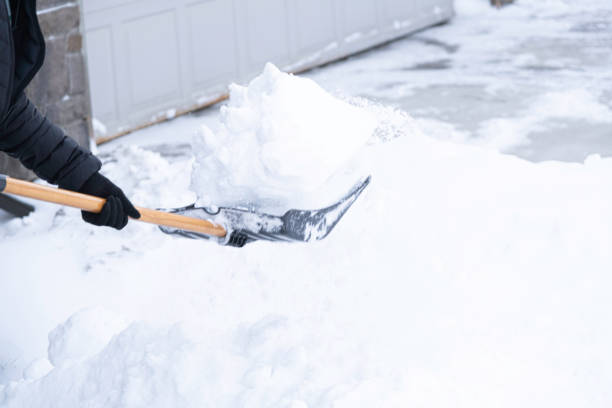
Remove snow, ice, and debris from tracks and safety sensors. This ensures smooth operation and prevents malfunctions during the winter months.
4. Test Your Garage Door Openers
Regularly test your garage door openers to function correctly. Replace batteries as needed and make sure the opener’s signal is unobstructed.
5. Balance the Door
An unbalanced garage door can strain the opener and other components. Perform a balance test by disconnecting the opener and manually lifting the door. If it doesn’t stay in place, consult a garage door service company for adjustments.
When to Call a Professional
While many minor garage door issues can be resolved with simple DIY solutions, certain problems require the expertise of a professional. Attempting to handle complex repairs on your own can lead to further damage or safety risks. It’s important to contact a reliable garage door repair service for issues such as broken springs, malfunctioning openers, misaligned tracks, or damaged panels.
Professionals have the tools, knowledge, and experience to diagnose and fix these problems efficiently, ensuring your garage door operates smoothly and safely. For peace of mind and long-term, always rely on experts for complex repairs.
- Replacing broken springs or cables.
- Repairing or replacing damaged panels.
- Installing new weather stripping or insulation.
- Addressing persistent issues with garage door openers.
- Comprehensive maintenance and inspections.
Don’t let the winter weather turn your garage door into a source of frustration. By recognizing common garage door problems and applying simple fixes, you can ensure your door operates smoothly throughout the season. For more complex issues or professional maintenance, call Fast Fix Garage Door, the best garage door repair services provider. A well-maintained garage door not only offers convenience but also improves the safety and energy efficiency of your home. Stay warm, stay safe, and keep your garage door ready for winter.