
 fastfixoffice@yahoo.com
 Book Appointment
 Did you know that garage door springs are under extreme tension and can lift a garage door weighing over 300 pounds? It’s no surprise that when they fail, they can cause major issues and even safety hazards. According to the U.S. Consumer Product Safety Commission, over 30,000 garage door-related injuries occur annually, many involving spring malfunctions. That’s why knowing when to call a professional like Fast Fix Garage Door for garage door spring repair or replacement is so important for every homeowner in the U.S.
This guide will walk you through everything you need to know about garage door spring repair, from identifying issues to understanding replacement options and when to schedule professional service.
What Are Garage Door Springs, and Why Do They Matter?
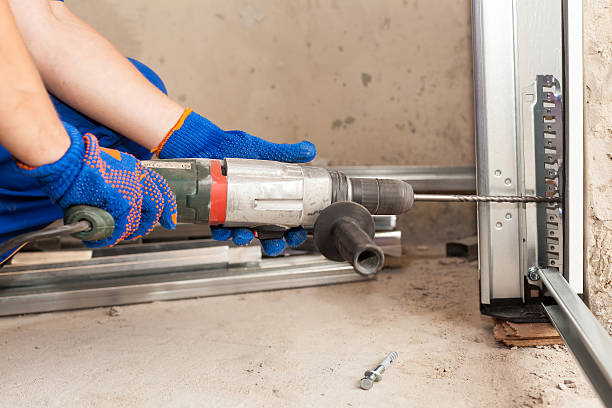
Garage door springs play a critical role in balancing the weight of your door, making it easy to open and close. There are two main types: torsion springs and extension springs. This guide focuses on garage door spring repair techniques, maintenance tips, and when it’s time to consider a Garage Door Spring Replacement.
Types of Springs
- Torsion Springs:
These springs are mounted above the door and are responsible for counterbalancing the door’s weight. Torsion spring repair is a delicate process that requires precise adjustments to avoid accidents. - Extension Springs:
Typically located on either side of the door tracks, extension springs stretch to provide counterbalance. While this guide emphasizes repair and replacement tips, you should always follow safety protocols when performing garage spring repair on extension systems.
Recognizing When to Repair or Replace
Identifying the early signs of a broken Garage door spring can save you time and money. Here are some common indicators that you might need Garage Door Spring Repair Service or even a full Garage Door Spring Replacement:
- Unusual Noises: Creaking, squeaking, or banging sounds during door operation are a red flag.
- Door Doesn’t Open Smoothly: If your door struggles or seems to be out of balance, it may be time for Door spring repair.
- Visible Wear or Damage: Rust, fraying, or stretching are signs that a Garage door spring broken and may soon occur.
According to recent statistics, about 30% of garage door malfunctions are directly related to spring issues. Recognizing these early signs can help you avoid more severe complications and higher repair costs down the line.
Signs You Need Garage Door Spring Repair
A garage door spring broken isn’t always obvious. But here are a few signs that you may need a garage door spring repair service:
- Garage door won’t open or only opens halfway
- Loud bang from the garage (could be a spring snapping)
- Cables look loose or detached
- The door feels heavy when you try to lift it manually
- Visible gap in the spring coil
- Jerky or uneven door movement
If any of these symptoms appear, don’t ignore them. A broken garage door spring can worsen quickly and cause injury or property damage.
Safety First: Preparing for Repair
Before attempting any garage door spring repair, safety must be your top priority. Garage door springs are under significant tension, and improper handling can lead to severe injury. Here are some safety tips:
- Always Disconnect Power: If your door is motorized, unplug it before starting any repair.
- Wear Protective Gear: Safety glasses and gloves can protect you from debris and accidental snaps.
- Follow Manufacturer Instructions: Every door system is different, so refer to the manual for Garage Door Spring Service or seek professional help.
For those opting for professional assistance, a reputable Garage Door Spring Repair Service can provide the expertise needed to ensure the job is done safely and efficiently.
DIY Repair vs. Professional Service
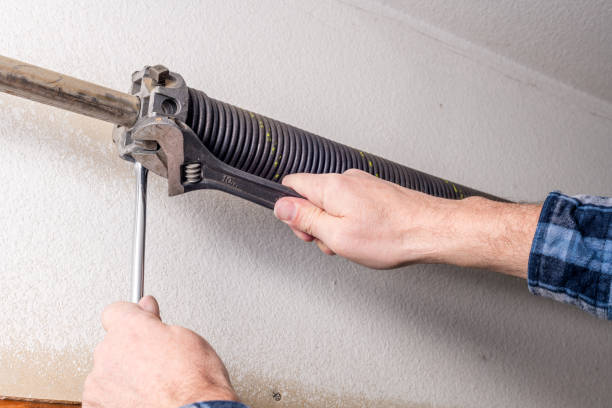
Many homeowners wonder whether they should attempt garage door spring repair themselves or call a professional. Here’s a closer look at both options:
DIY Garage Door Spring Repair
If you have experience with home repairs and feel confident in your skills, you might try a DIY approach. However, bear in mind that Door spring repair requires precision and care. For example:
- Tools Needed: You’ll require winding bars, a ladder, and safety equipment.
Step-by-Step Process: From releasing tension to adjusting the spring, each step must be performed with caution. - Potential Risks: Mistakes can result in a Garage door spring broken incident or even injury.
For a smoother experience, ensure you have a clear understanding of garage spring repair procedures and do not hesitate to seek advice from online tutorials or manuals.
Professional Garage Door Spring Service
A certified technician can perform Garage Door Spring Service efficiently and safely. Here are some benefits of opting for professional help:
- Expertise and Experience: Technicians are trained in Garage Door Spring Repair Service, ensuring the job is done right the first time.
- Safety Assurance: Professionals follow stringent safety protocols, reducing the risk associated with Overhead door spring replacement.
- Time and Cost Efficiency: While DIY might seem cost-effective, a small mistake while changing garage door springs can lead to more expensive repairs.
In many cases, investing in a professional Garage Door Spring Repair Service is the smarter choice, especially if you notice that your Garage door spring broken issue is more severe than initially thought.
Step-by-Step Guide to Repair and Replacement
Whether you’re planning a DIY fix or preparing to welcome a professional, understanding the process can be invaluable. Below is a detailed guide covering both Garage Door Spring Repair and Garage Door Spring Replacement.
Step 1: Diagnose the Problem
Start by examining your door for common issues. Listen for unusual sounds, check for visible damage, and test the door’s balance. If the door feels unusually heavy or unstable, it may indicate a need for garage spring repair or Garage Door Repair Broken Spring services.
Step 2: Gather Tools and Materials
For a DIY approach, ensure you have the following:
- Winding bars for Torsion spring repair
- Socket set and screwdrivers for garage door installation
- Replacement springs (e.g., a New garage door spring or similar product if needed)
- Ladder and safety equipment
Using the correct tools is crucial for changing garage door springs without causing further damage.
Step 3: Safety Measures and Preparation
Before beginning any work, disconnect your door’s power source and secure the door in the open position. Wear protective gear and clear the area of any potential hazards. Following these steps ensures a safer experience during Overhead door spring replacement or any Garage Door Spring Service tasks.
Step 4: Removing the Damaged Spring
If you’ve determined that you need to perform a Garage Door Spring Replacement, carefully release the tension on the springs. For those with a broken garage door scenario, exercise extreme caution as you remove the damaged component. Using the appropriate tools and following safety guidelines are essential when performing garage door spring repair.
Step 5: Installing the New Spring
Once the old spring is safely removed, it’s time to install the replacement. Whether it’s a New garage door spring or you’re performing a Garage spring replacement, align the new spring properly and secure it using the recommended methods. Ensure that the installation is balanced to prevent future issues.
Step 6: Testing and Final Adjustments
After installation, test the door to ensure it opens and closes smoothly. Check for proper balance and listen for any irregular noises. Adjust as needed, and if any issues persist, consider reaching out for professional Garage Door Spring Repair Service.
Maintenance Tips for Longevity
Regular maintenance is key to preventing costly repairs in the future. Here are some essential tips to extend the life of your springs:
- Routine Inspections: Regularly check for signs of wear or damage. Early detection of issues can simplify garage spring repair.
- Lubrication: Proper lubrication can help minimize friction and extend the life of both Overhead garage door springs and other moving parts.
- Professional Checkups: Even if you’re comfortable with DIY repairs, scheduling annual inspections with a Garage Door Repair Service can ensure that your door operates safely.
- Timely Replacement: Don’t delay Garage Door Spring Replacement if you notice issues. Preventive measures can save you from more significant problems later on.
By incorporating these practices, you can reduce the chances of experiencing a garage door spring broken incident, thereby maintaining a secure and efficient home.
Why Choose Overhead Door Spring Replacement?
Most residential garages use overhead garage door springs, particularly torsion types. These are durable, space-saving, and more efficient.
Benefits of overhead door spring replacement:
- Better balance and smoother operation
- Fewer maintenance issues
- Longer life span than extension springs
It’s also worth mentioning that if your garage door spring is broken, replacing both springs (even if only one is damaged) is often recommended to maintain system balance.
Cost of Garage Door Spring Replacement
In the U.S., the average cost of garage door spring replacement ranges between $150 to $350, depending on the spring type and labor.
Factors that influence pricing:
- Type of spring (torsion vs extension)
- Number of springs
- Brand or grade of new garage door spring
- Emergency or same-day service needs
Although it may seem pricey, it’s a worthy investment for safety, convenience, and long-term performance.
How to Extend the Life of Your Garage Door Springs
Prevention is better than cure. Here’s how you can extend the life of your garage springs:
- Regular lubrication – Every 6 months using garage door lubricant.
- Avoid excessive use – Try limiting unnecessary door cycles.
- Annual tune-ups – Schedule annual professional checkups.
- Tighten loose components, including brackets and bolts.
- Balance testing – Test door balance monthly; if it falls too quickly or rises unevenly, the garage spring may be broken.
If you’re proactive, you’ll delay the need for a complete garage spring replacement.
When to Replace Instead of Repair?
You may be wondering whether a garage door repair broken spring is enough or if a full replacement is needed.
Here are a few scenarios where garage door spring replacement makes more sense:
- Spring has snapped in half
- Door lifts unevenly even after adjustments
- Spring is rusted or corroded
- Door is used more than average (multiple daily cycles)
- Spring is beyond its life expectancy (over 10 years old)
In these cases, changing garage door springs is safer and more cost-effective in the long run.
Final Thoughts
Understanding the intricacies of garage door spring repair and replacement is essential for every homeowner. With the right knowledge, safety measures, and maintenance tips, you can effectively manage and prevent spring-related issues. Whether you choose to tackle garage spring repair yourself or rely on professional Garage Door Spring Service, the key is to act promptly when signs of wear appear.
Remember, a properly functioning garage door system not only adds to your home’s convenience but also enhances its overall security. Routine inspections, timely Garage Door Spring Replacement, and adherence to maintenance best practices can significantly reduce the risk of a Garage door spring broken incident.
Investing in quality maintenance and repair services is a smart decision. If you’re ever in doubt, consider reaching out for professional help to ensure your door remains in excellent condition. At Fast Fix Garage Door, we believe that every homeowner deserves a safe and efficient garage door system.