
 fastfixoffice@yahoo.com
 Book Appointment
 Installing a new garage door can seem intimidating, but with the right tools, preparation, and clear guidance, it’s a project that many homeowners can tackle themselves. Whether you’re replacing an old door or upgrading to a modern model, this garage door installation guide will walk you through each step in a clear, beginner-friendly way.
In this guide, you’ll learn how to install a garage door by yourself with confidence, avoid common mistakes, and ensure your new door operates smoothly and safely.
Why Install a New Garage Door?
A garage door is more than just an entry point to your home. It plays a role in curb appeal, energy efficiency, and even security. Here are a few reasons homeowners choose a new garage door installation:
- Improved aesthetics: Boost your home’s curb appeal instantly.
- Better insulation: Reduce energy loss and maintain comfortable indoor temperatures.
- Enhanced security: Modern garage doors are built with stronger materials and better locking mechanisms.
- Quieter operation: New systems often operate more smoothly and with less noise.
Tools and Materials You’ll Need
Before starting your DIY garage door installation, make sure you have all the necessary tools and materials. Having everything ready will save time and reduce frustration.
Tools:
- Power drill
- Level
- Tape measure
- Socket wrench set
- Screwdrivers (flathead and Phillips)
- Pliers
- C-clamps or locking pliers
- Ladder
- Hammer
Materials:
- Garage door kit (panels, tracks, rollers, springs, cables, hardware)
- Weatherstripping
- Garage door opener (optional, if installing)
- Safety glasses and gloves
Safety First: Important Warnings
Garage doors are heavy, and the springs are under significant tension. Follow these safety tips before starting:
- Never work alone – Always have a helper.
- Use safety gear – Gloves and glasses are essential.
- Follow the manufacturer’s garage door installation instructions closely.
- If unsure about handling springs, hire a professional for that step.
Step 1: Measure Your Garage Opening
Accurate measurements are the foundation of a successful garage door installation guide. Measure:
- Width and height of the opening
- Side room (space between the opening and side walls)
- Headroom (space between the top of the opening and the ceiling)
- Backroom (space from the opening to the back wall)
Write these measurements down and confirm they meet the specifications in your garage door fitting guide.
Step 2: Prepare the Workspace
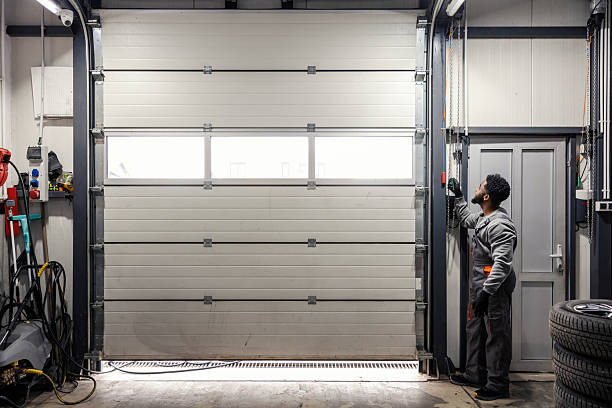
Clear the garage of vehicles, tools, and clutter. Ensure you have adequate lighting and room to work. Safety should be your top priority, so wear gloves and safety glasses throughout the garage door installation.
Step 3: Assemble the Door Panels
Most kits include several horizontal panels. Start from the bottom and work upward.
- Place the bottom panel into the opening and secure it.
- Attach hinges and handles according to the garage door installation instructions.
- Stack the next panel on top, aligning it with the first, and connect using hinges.
Pro tip: Keep the panels level to prevent binding during operation.
Step 4: Install the Tracks
Attach the vertical tracks to the sides of the door using the brackets provided. Ensure they are plumb using a level. Then connect the curved tracks that transition from vertical to horizontal.
This stage is critical; misaligned tracks can cause operational issues and shorten the door’s lifespan.
Step 5: Install the Rollers and Brackets
Slide the rollers into the brackets on each panel. Place the rollers into the track, ensuring they move freely without sticking.
Lubricate moving parts lightly at this stage to improve function.
Step 6: Attach the Spring System
Your garage door will either use torsion springs or extension springs. Follow the manufacturer’s garage door assembly steps carefully, as springs are under high tension and can be dangerous.
If you’re unsure, hire a professional for this step. Even seasoned DIYers treat springs with extra caution.
Step 7: Install the Horizontal Tracks and Supports
Once the vertical tracks are in place, connect the horizontal tracks and secure them to the ceiling supports. Use your measurements to ensure they are level and aligned.
Step 8: Connect the Lifting Mechanism
If you’re adding an automatic opener, now’s the time to install it. Follow the opener’s instructions closely, mounting it to the ceiling and connecting it to the garage door arm.
For manual doors, attach the lifting handle and locking mechanism.
Step 9: Test the Door
Manually lift and lower the door to check for smooth operation. Adjust spring tension if necessary. The door should stay open halfway without falling or rising on its own.
Step 10: Add Weatherstripping
Seal gaps with weatherstripping to improve energy efficiency and keep out dust, pests, and moisture. Attach it along the bottom and sides of the door.
Mistakes to Avoid When Installing a Garage Door
Learning how to install a garage door by yourself is rewarding, but here are common pitfalls to steer clear of:
- Skipping measurements or relying on rough estimates
- Ignoring the manufacturer’s garage door installation instructions
- Over-tightening hardware
- Failing to test the door balance before finalizing
- Attempting spring installation without proper tools or experience
Safety Tips for DIY Garage Door Installation
- Always disconnect the power before working on an electric opener.
- Use sturdy ladders, not makeshift stands.
- Never place hands between panels.
- Double-check alignment before securing hardware.
- Get help for lifting heavy panels.
When to Call a Professional
Even with a beginner’s guide to garage door installation, some situations require expert help:
- Damaged or bent tracks
- Broken torsion springs
- Complex opener integration
- Oversized or specialty doors
If safety or precision is a concern, it’s worth hiring an installer.
Conclusion:
Installing a garage door yourself can save money and give you the satisfaction of completing a major home improvement project. By following this step-by-step garage door installation guide, using the correct tools, and working carefully, you can achieve a safe, functional, and long-lasting result.
If you found this garage door installation guide helpful, share it with friends, leave a comment with your experience, or reach out to Fast Fix Garage Door for more DIY tips and professional support. Your garage door isn’t just a barrier; it’s a vital part of your home’s security, energy efficiency, and style. Get it right, and it will serve you well for years to come.
Do you want me to also make a more persuasive version that encourages readers to choose Fast Fix Garage Door over DIY? That could boost conversions.